
The Capacity-building Core focuses on equitable knowledge exchange, skill development, and mentorship to ensure early-career researchers, citizen scientists, communities, and practitioners have the resources and opportunities to lead climate and health research. We do this by pairing hands-on training with mentorship, creating pathways for emerging leaders to grow into experts, and strengthening the infrastructure they need to succeed—from data systems and field equipment to collaborative research spaces. We believe in co-creating research priorities with communities, connecting local teams to regional and global networks, and ensuring knowledge flows in every direction. By building capacity from the ground up, we’re creating a foundation for climate change and health research that is rooted in local leadership, powered by strong networks, and capable of producing solutions that endure.
Capacity Building Core
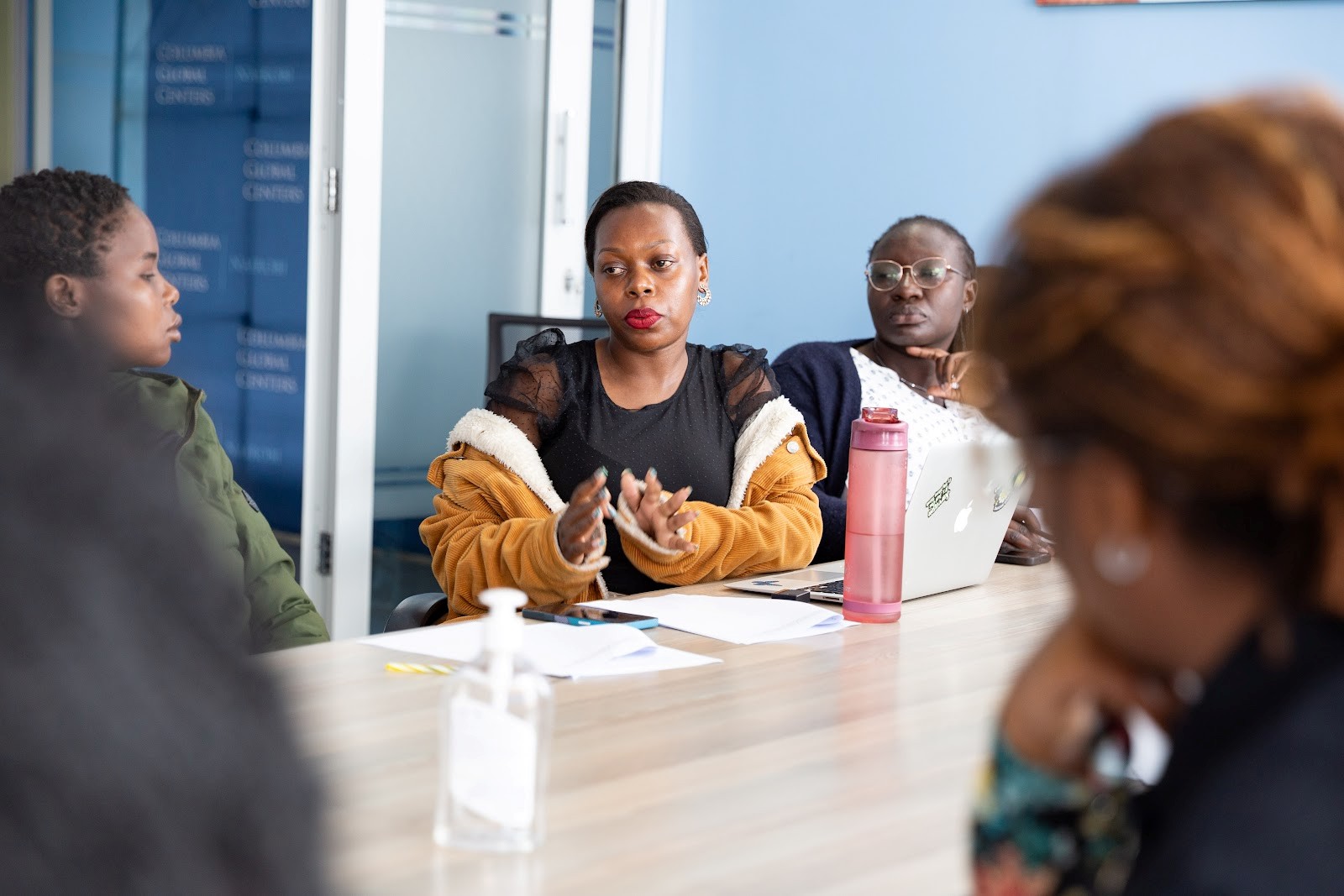
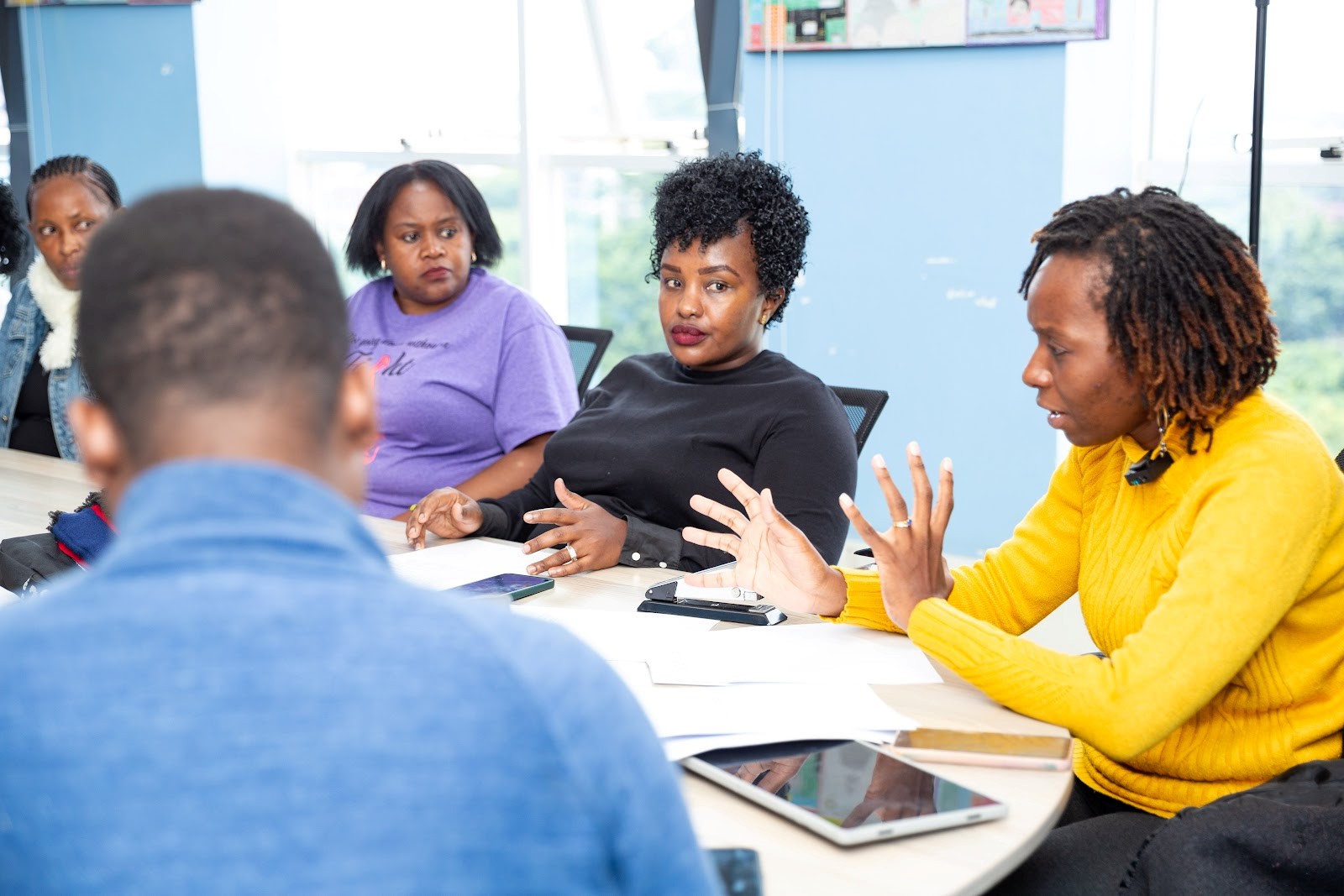
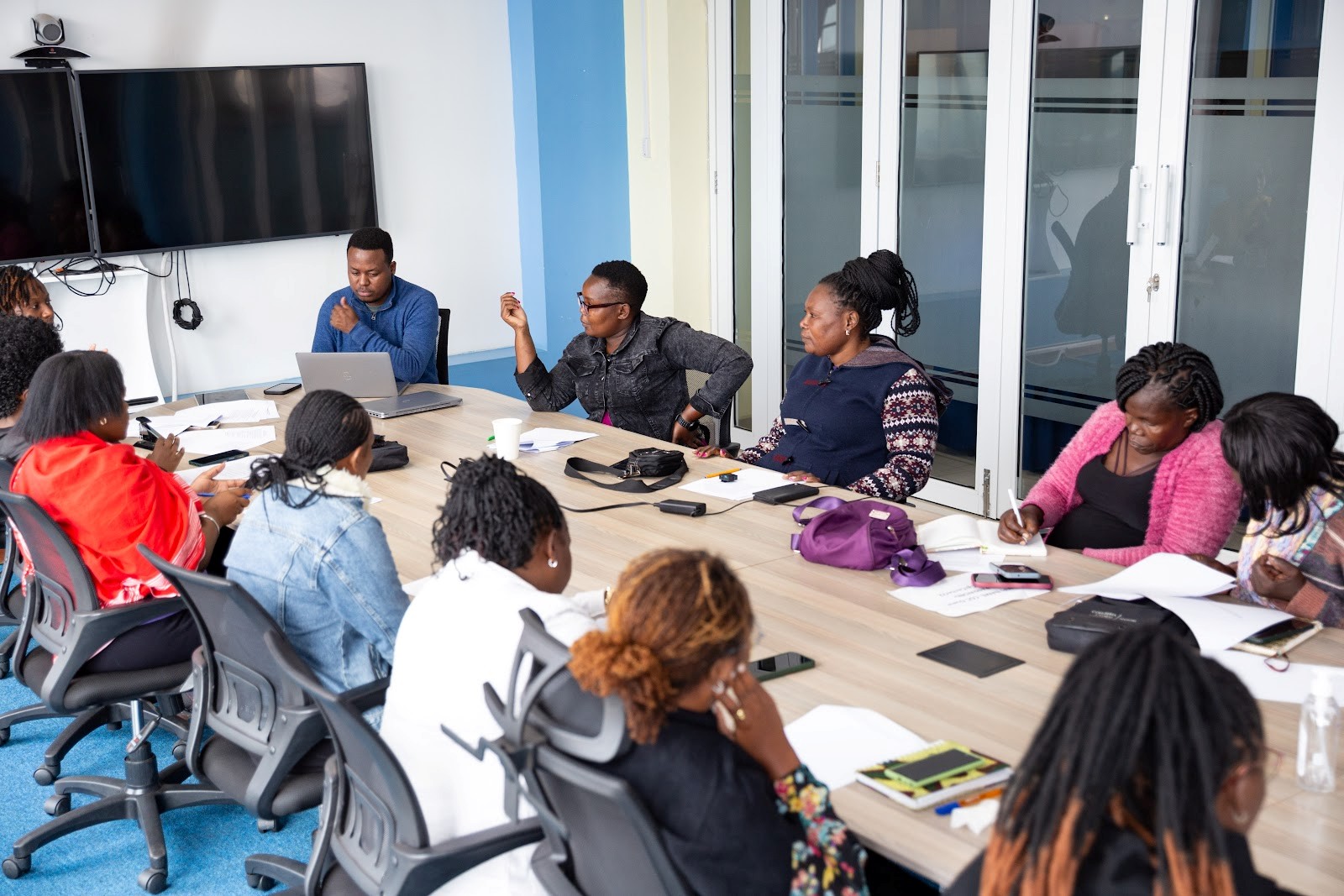
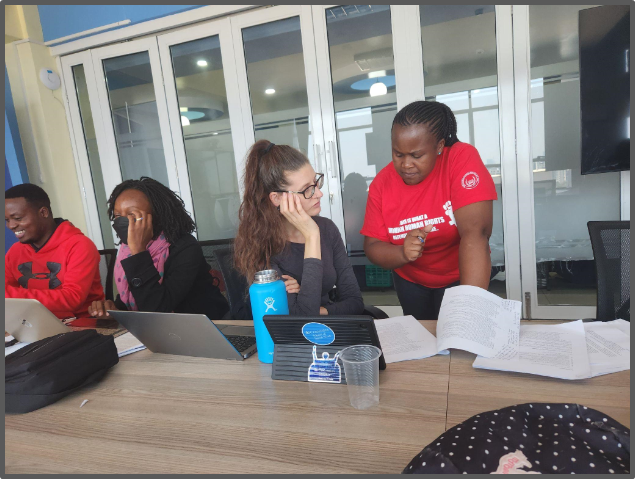
We have completed over 50 community knowledge sharing sessions and over 100 research lab meetings to strengthen skills, build relationships, create opportunities, and advance meaningful, community-driven research, and we’re just getting started!

Activities
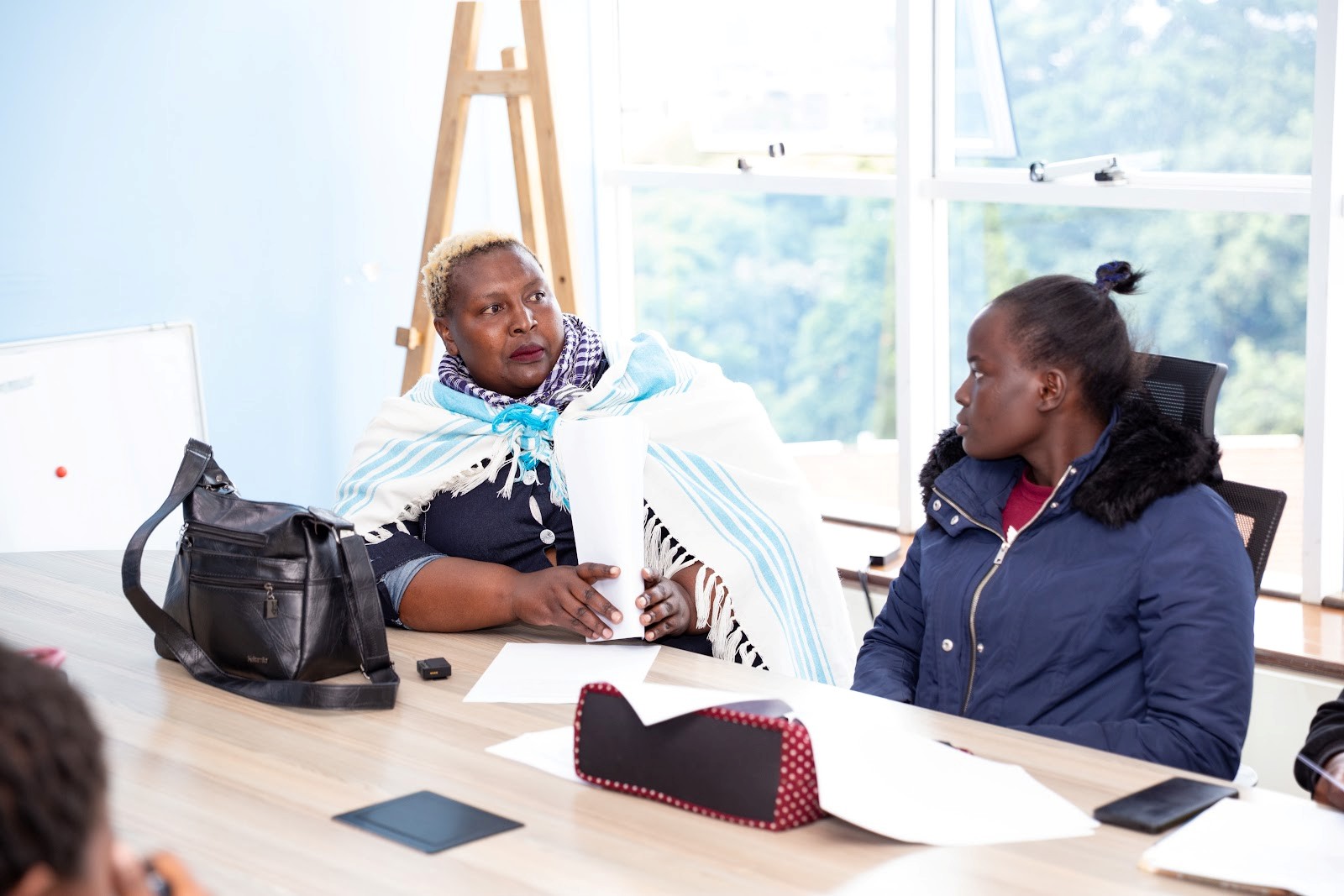
The Anga Center team facilitates capacity-building initiatives focused on community-led research. This includes comprehensive trainings for community data collectors, community intervention staff, and community stakeholders. Our trainings span topics such as ethical and responsible conduct of research, quantitative and qualitative research methods, fieldwork and interviewing skills, and digital tools for quantitative and geospatial data collection.
Explore some of the trainings we have led for community members and stakeholders:
Research Methods Trainings
- Researching violence and other sensitive topics
- Quantitative Research Methods
- Qualitative Research Methods
- Geolocation Research Methods
- Mixed Methods Research
Intervention Implementation Trainings
- Community adaptation of interventions
- Eligibility screening for intervention research
- Assessing efficacy for intervention research
- Quality control, feasibility, safety, and fidelity in randomized control trials
- Facilitating social-behavioral interventions

Sauti Mashinani Lab Meetings
Weekly lab meetings bring together multi-country, multi-stage, multi-disciplinary stakeholders to support each other and the Anga Center’s mission.
Lab Trainings focus on:
General skills related to preparing and submitting scientific manuscripts
- Choosing the appropriate journal for your article, making sense of impact factors
- Submitting an article
General quantitative data analysis skills
- Setting up an analysis environment in R
- Creating and using a codebook for complicated quantitative datasets
- Data entry and data cleaning
- Exploring data
- Missingness analysis
- Data imputation
- Data visualization
General qualitative data analysis skills
- Understanding and creating a codebook for multi-coder qualitative analyses
- Transcription and transcription clean-up
- Setting up an analysis environment in Dedoose
- Triangulation of data and interrater reliability
Grant writing
- Developing a biosketch and personal statement
- Writing a problem statement and/or research statement
- Budgets and budget justification
- Tables and figures in grant writing
Research ethics
- Protection of human subjects
- International and local research ethics
- Preparing a research protocol for submission to an ethics committee
- Research on sensitive topics and with populations with reduced autonomy
General skills related to presenting at scientific conferences
- Preparing and submitting an abstract or paper for a scientific conference
- Registering and planning for a conference
- Developing a poster, roundtable, or oral presentation for a conference
Looking Ahead
The Capacity-building Core is looking to expand! We are growing our efforts to build capacity, foster multi-directional knowledge-sharing, expand climate change and health infrastructure and access to information, co-design educational opportunities, support early-stage researchers, and co-design the climate change and health research agenda in East Africa with the communities most impacted! Plans include working with communities and local schools to install and run weather stations in areas most affected by climate change; co-create curricula for schools and technical colleges that focus on the integration of climate data and indigenous knowledge; support and mentor a cohort of climate change and health PhD students in East Africa and the US; provide seed grants for pilot research by early career researchers that focus on climate change and health using a community-based participatory approach; host annual climate justice, health equity, and community well-being conferences in East Africa; hire, train, mentor, and support a new cohort of community researchers from 18 new communities across East Africa.